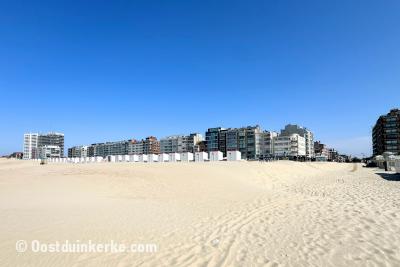
Oostduinkerke, set on the Belgian coast, has a unique charm that draws its visitors back time and again. It is the only place in the world where shrimp fishermen on horseback keep a centuries-old tradition alive, recognised by UNESCO. Yet this village is far more than that single tradition: it is an oasis of calm, nature, culture and gastronomy.
The shrimp fishermen on horseback
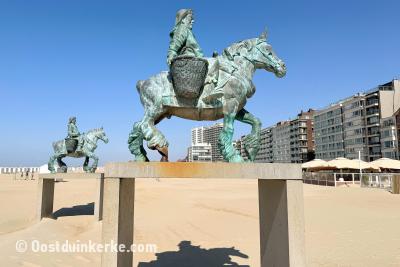
The most iconic image of Oostduinkerke is a rider heading into the surf, a sight you will not find anywhere else in the world.
A living trade: dressed in yellow oilskins and mounted on imposing Brabant draught horses, the horseback fishermen drag their nets through the shallows, a technique passed down from generation to generation since the sixteenth century.
World heritage: in 2013 UNESCO recognised this tradition as intangible cultural heritage of humanity. Only a handful of families keep the craft alive today, which makes every outing all the more special.
How to see them: the fishermen ride out at low tide and to a set schedule during the season, so check the tides and announcements beforehand. Arrive early, as the spot is popular with photographers.
What happens next: once caught, the shrimp are sieved and boiled straight away on the beach or at home. If you are lucky you may get to taste a handful of fresh grey shrimp, straight from the sea.
Beaches and dunes
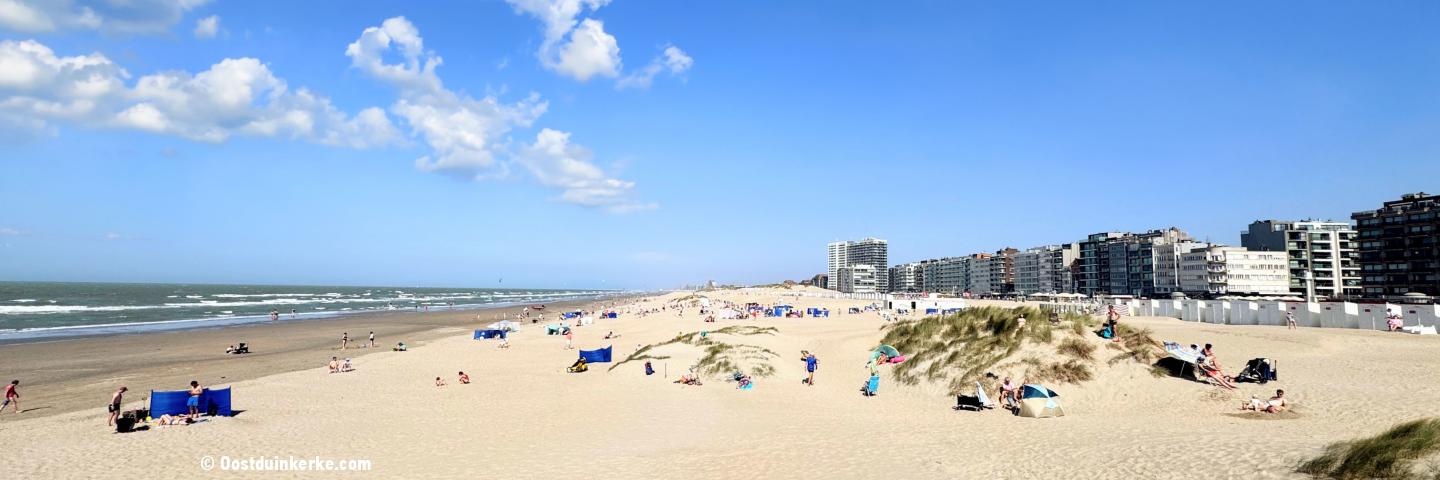
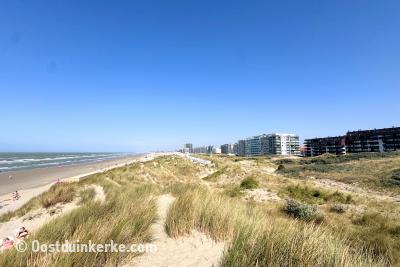
Oostduinkerke's beach is wide and peaceful, and merges seamlessly into one of the richest dune areas in Flanders.
Space in abundance: the sandy beach stretches for more than two kilometres and offers plenty of room even in high season for long walks, sunbathing, swimming and sandcastles.
A vast sand flat at low tide: the gently sloping beach means the sea retreats a long way, creating perfect conditions for land yachting, paddling and shell hunting.
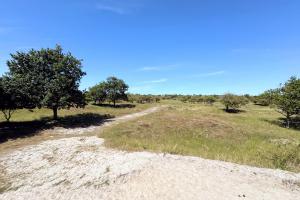
De Doornpanne nature reserve: behind the beach lies this reserve of 235 hectares, with unique flora and fauna and a visitor centre where you discover how the dunes also supply the region's drinking water.
Swimming safely: during the bathing season lifeguards watch over the supervised zones, marked by beach flags. Outside those zones, take care: the currents along this coast can be treacherous.
Nature around Oostduinkerke
Few coastal towns pack as many different landscapes into such a small area as Oostduinkerke.
Ter Yde
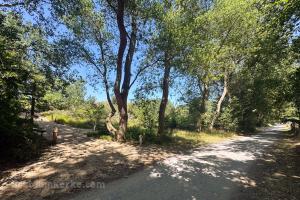
The Ter Yde nature reserve lies between Oostduinkerke and Groenendijk and is one of the most beautiful dune areas on the Belgian coast. It is a varied nature reserve where you can walk from the beach deep into the dune landscape, with a different view around every corner. What can you expect at Ter Yde nature reserv ...
The Hannecartbos is a surprising nature area in Oostduinkerke, tucked away between the Karthuizerduinen, Ter Yde, Spelleplekke and Polderstraat. While the surrounding dune areas are mainly open and sandy, here you walk through a varied landscape of woodland, grasslands, hedgerows and a special dune stream. What can you ...
Rich in plants and wildlife: sea buckthorn, orchids, rabbits and a host of bird species thrive in this mix of sand, salt and shelter. Do bring a pair of binoculars.
Polder behind the dunes: inland, towards Wulpen and the IJzer plain, the dunes give way to flat polders with ditches, pollarded willows and farmsteads, ideal for a gentle bike ride.
Culture and heritage
Oostduinkerke wears its fishing past with pride, and that story is told here in a lively way.
National Fisheries Museum
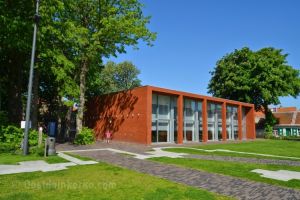
A fascinating place where the history and culture of Belgian sea fishing come to life. What to Expect at the National Fisheries Museum in Oostduinkerke? - Rich Fishing History: The ...
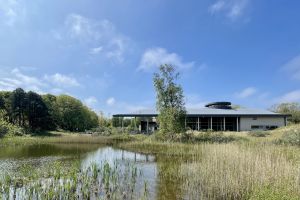
The Duinpanne visitor centre is located in the heart of the green Calmeynbos in De Panne. It is a pleasant stop for anyone who wants to head into nature, discover more about the coast and dunes, ...
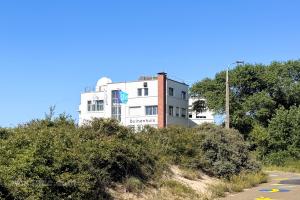
The Nature Education Centre Duinenhuis in Koksijde is the place where nature, wonder and education come together. Located between the Schipgat Dunes and within walking distance of the beach, you ...
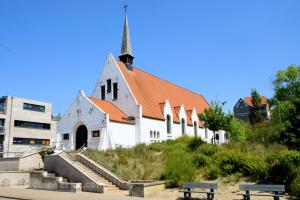
Two village centres: besides lively Oostduinkerke-Bad by the sea there is quiet Oostduinkerke-Dorp inland, with its church and village square and a wholly different, understated atmosphere.
Part of Koksijde: Oostduinkerke forms one municipality together with Koksijde, Sint-Idesbald and Wulpen, which means the Dunes Abbey and the Delvaux Museum are close by too.
Gastronomy
As a fishing village, Oostduinkerke is rightly proud of its seafood, and the shrimp plays the leading role.
The grey shrimp: freshly caught, boiled on the spot and peeled the traditional way, it delivers a flavour you will never find in a supermarket tub.
The shrimp croquette: the benchmark of every coastal brasserie. Order one on a terrace with a sea view and you taste immediately why this village is known for its shrimp.
From classic to refined: the restaurants here range from mussels and chips and fillet of sole to gastronomic creations, always based on whatever came in that day.
Belgian classics: give in as well to a cone of chips from the frituur, a waffle on the promenade or a Belgian beer at sunset.
Activities and events
From water sports to folklore, there is no season in which Oostduinkerke leaves you bored.
On and by the water: sailing, surfing, kitesurfing and beach sports are fixtures here thanks to the steady sea breeze, with hire and lessons available locally.
On foot, by bike or on horseback: countless waymarked walking routes and cycling routes criss-cross the dunes and the polder. Horse riding on the beach is, fittingly enough, all the more of a classic here.
Golf in the dunes: nearby lies Koksijde Golf ter Hille, a course set in authentic dune and polder landscape.
The Shrimp Festival: in late June the village erupts during the Shrimp Festival, with a colourful folkloric parade and the crowning of the Shrimp Queen. Book your accommodation early, as the village fills up.
Oostduinkerke is very much a family destination, where the beach is the biggest playground of all.
Safe splashing: the wide, gently sloping beach is perfect for sandcastles and kite flying. At low tide shallow pools are left behind where the youngest can play safely.
Spotting the fishermen: few children forget the sight of a real draught horse striding through the waves. Combine it with a visit to the shrimp aquarium at the fisheries museum.
Out on a go-kart: the promenade and the dune lanes are ideal for a spin on a hired go-kart or a family cycle, a classic on the Flemish coast.
Explore the surroundings
From Oostduinkerke nearly the whole Flemish coast is within easy reach, often without needing the car.
The whole coast by tram: the coastal tram, the longest tram line in the world, carries you from De Panne to Knokke-Heist, with every resort along the way as a possible stop.
Neighbours with character:Koksijde with its abbey ruins is round the corner, and Nieuwpoort offers the largest marina in northern Europe and the striking IJzer estuary.
Towns full of history: ideal day trips include Ostend, the UNESCO heritage of Bruges and the moving wartime past of Ypres in the Westhoek.
Unspoilt nature: a little further along lies De Westhoek, the largest dune reserve in Belgium, with a genuine sand desert where you could briefly imagine yourself in the Sahara. France is only a few kilometres away as well.
Staying in Oostduinkerke
From an apartment with a sea view to a tent among the dunes, there is an option here to suit every budget.
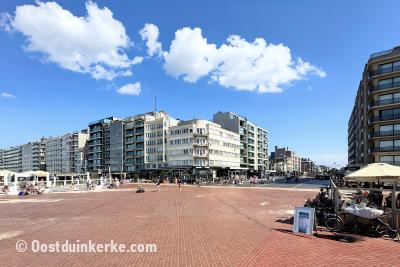
Apartments by the sea: the most popular choice on the Flemish coast. An apartment on the promenade means waking up to a view of the surf.
Holiday homes and villas: anyone coming with the family or a larger group has plenty of room in a holiday home, often with a garden and within walking distance of the dunes.
Hotels and B&Bs: from a cosy bed and breakfast to a well-appointed hotel, ideal for a short weekend away with no fuss.
Camping by the dunes: at the campsites nearby you sleep with the sound of wind and sea in the background. Have a look at the last minutes too for a sharp deal.
Practical information
A few things are handy to know before you set off for the coast.
Getting there: Oostduinkerke is easily reached by car via the E40, taking the exit towards Veurne or Nieuwpoort. From the Netherlands you drive via Antwerp and Bruges, reaching the coast in around two hours.
By public transport: get off the train at Koksijde or Veurne and take the coastal tram or the bus. The tram stops at several points in Oostduinkerke-Bad and the village.
Parking: in high season finding a space near the promenade takes patience, and charges often apply there too. Come early, or park a little further out and walk or cycle the last stretch.
Best time to visit: July and August are the busiest and warmest, but spring and autumn offer calm, beautiful light and empty beaches. If you want to see the horseback fishermen, plan your visit around their outings and the tides.
Oostduinkerke is a fascinating destination with a unique blend of tradition, nature, culture and gastronomy. Whether you are after relaxation, adventure, discovery or culinary indulgence, this village will not disappoint.